Clubs
Manchester City After Pep: How Will the Club Adapt to a New Era?
City begin a new era under Maresca after Pep Guardiola’s departure, with major squad changes and a new tactical identity set to shape the club’s campaign.
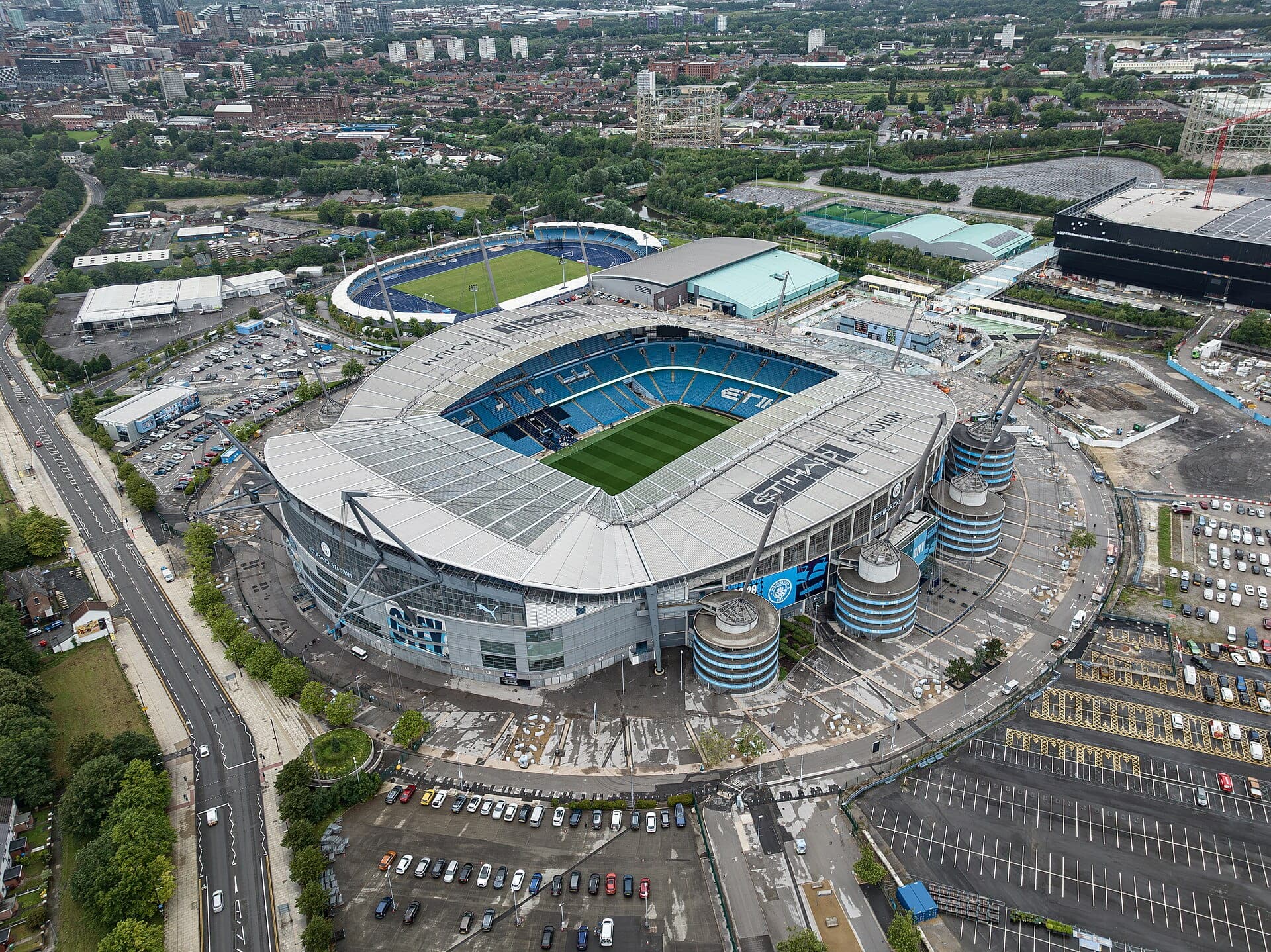
Manchester City begin the 2026/27 season without Pep Guardiola in the dugout for the first time in a decade. Guardiola’s departure brings an end to the most successful period in the club’s history and creates a major challenge for his successor, Enzo Maresca.
During his time at the Etihad Stadium, Guardiola guided Manchester City to six Premier League titles, a Champions League victory and 17 major trophies. His influence changed the club and helped establish City as one of the dominant forces in English football.
Enzo Maresca Takes Charge
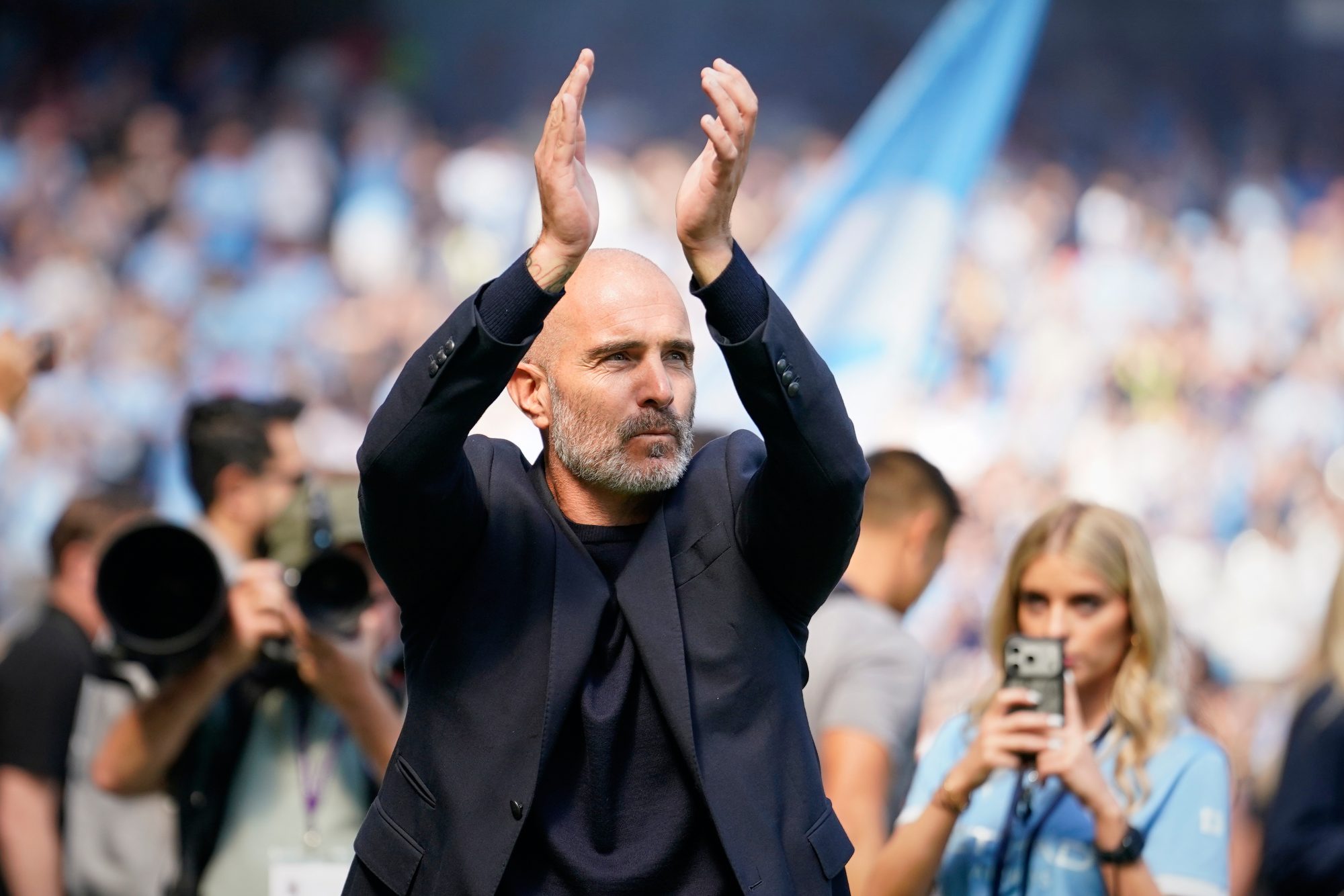
Manchester City have appointed Enzo Maresca as Guardiola’s successor. The Italian coach understands Guardiola’s methods after previously working as part of his coaching staff during City’s treble-winning 2022/23 campaign.
Maresca is not expected to completely abandon the principles that made City successful. He has suggested that the club will continue to value possession, intelligent positioning and structured build-up play, but he also wants to develop his own identity rather than become a “copy and paste” version of Guardiola.
A New Tactical Direction
Under Guardiola, City built attacks through controlled possession, positional rotations and a high defensive line. Maresca is likely to preserve much of that structure, but his team could adopt a more direct and transitional style in certain matches.
Manchester City may use a 4-2-3-1 formation more regularly, allowing them to protect the defence with a double pivot while giving their attacking players greater freedom. This system could also help the team transition quickly when Erling Haaland wins possession in advanced areas.
The tactical challenge will be finding the right balance between Guardiola’s control and Maresca’s individual ideas.
Major Changes in the Squad
Maresca has inherited a talented but changing squad. Elliot Anderson is the club’s only major senior signing so far, arriving from Nottingham Forest for a reported £116 million.
However, City have also lost several influential players. Rodri has moved to Barcelona, Tijjani Reijnders has joined Al-Qadsiah and Bernardo Silva has departed for Real Madrid. These exits leave important gaps in midfield and increase the pressure on the club to complete further recruitment before the transfer deadline.
Haaland Remains the Main Threat
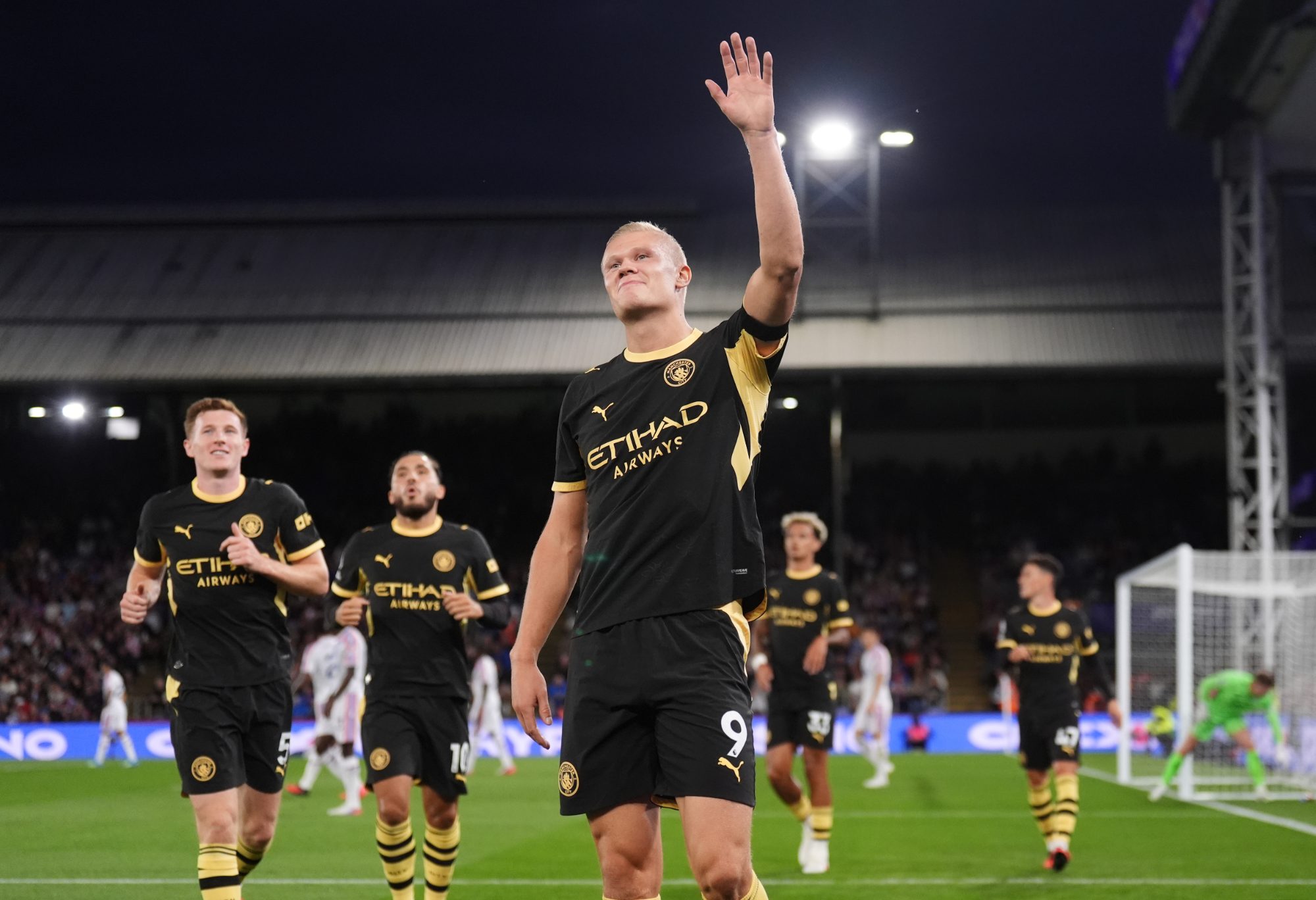
Despite the changes around him, Erling Haaland remains Manchester City’s biggest attacking weapon. His movement, physical strength and finishing ability give Maresca a reliable source of goals.
City’s tactical approach may evolve, but the Norwegian striker will remain central to their plans. A more transitional style could even give Haaland additional opportunities to attack space behind opposition defences.
The Midfield Challenge
The departure of Rodri is arguably the biggest sporting issue facing Manchester City. His positioning, ball recovery and ability to control the tempo were essential to Guardiola’s system.
Replacing Rodri with one player may be impossible. City could instead rely on a combination of midfielders, with Anderson, Mateo Kovacic and other senior players sharing responsibility. The club may also need another signing if it wants to maintain its usual level of control.
Patience Required at the Etihad
Maresca has admitted that City may need time before returning to their best. Replacing a manager who delivered 17 major trophies is an enormous task, particularly while the squad is also undergoing significant change.
The pressure will be intense because City are not beginning a normal rebuilding project. They are trying to remain title contenders while replacing their most successful manager and several important senior players.
What Can Manchester City Achieve?
Manchester City still possess elite talent, world-class facilities and a strong football structure. They should remain competitive, but their margin for error may be smaller than in previous seasons.
Their opening Premier League fixture against Bournemouth on 23 August will provide the first major indication of Maresca’s approach.
Final Verdict
Manchester City’s post-Pep era will be defined by continuity and change. Maresca is expected to protect the club’s possession-based identity while introducing a more personal and potentially more flexible tactical approach.
If City strengthen their midfield and adapt quickly to life without Rodri, they can remain in the Premier League title race. However, the 2026/27 season may be less about immediate dominance and more about building a sustainable new era at the Etihad Stadium.