

NPL
NPL DRS System 2026: 11 Decisions Overturned in First Six Matches
DRS has overturned 11 on-field decisions in the first six NPL 2026 matches, according to Cricnepal’s analysis. Here is how the new system is affecting Nepal Premier League cricket.
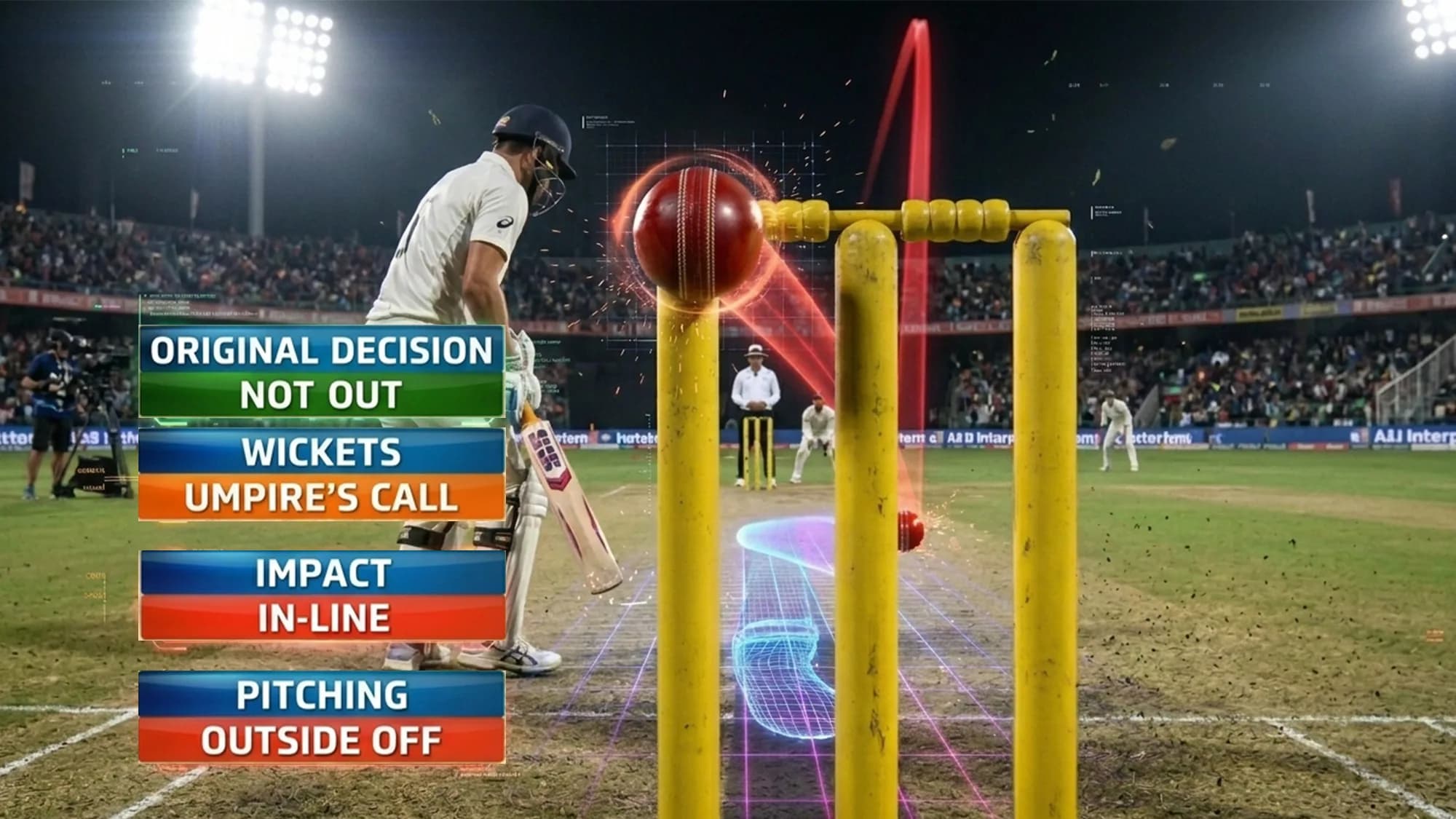
The Decision Review System (DRS) is already having an impact on the Nepal Premier League (NPL), with 11 on-field decisions overturned during the first six matches of the 2026 season.
According to an analysis published by Cricnepal on October 30, 22 completed team reviews were recorded across those matches. Eleven resulted in decisions being reversed, nine upheld the original decision, and two ended with umpire’s call. All eight teams had used DRS during this period.
The figures offer an early look at how the technology is influencing matches in its first NPL season. While the system has not removed every disputed decision, it has given teams a formal way to challenge important calls that previously could have remained unchanged.
How Is DRS Working in NPL 2026?
The Cricket Association of Nepal (CAN) introduced DRS for the third edition of the Nepal Premier League, which began on October 26.
The system uses three-dimensional ball tracking to assess leg-before-wicket (LBW) decisions. AI-based edge detection helps determine whether the ball has touched the bat, while video reviews cover decisions involving run-outs, stumpings and front-foot no-balls.
The technology package also includes height-based analysis for wide-ball decisions, measurements of sixes and additional bowling statistics.
Teams are allowed two unsuccessful reviews per innings. Captains must therefore decide when a challenge is worth using, particularly when the evidence from the original delivery is not clear.
The introduction of DRS follows criticism of umpiring decisions during previous NPL editions. Its effectiveness will depend on how consistently the technology is used and how decisions are assessed by the match officials.
Lokesh Bam's Review Shows Why DRS Matters
One of the clearest examples of DRS influencing a match came during the game between Biratnagar Kings and Karnali Yaks.
Biratnagar batter Lokesh Bam was initially given out LBW but successfully challenged the decision. The review allowed him to continue his innings, and he went on to score 87 runs as Biratnagar posted 186/7.
Karnali eventually won the match by four wickets, but Bam's innings showed how a successful review can protect a batter and affect a team's total.
The incident also illustrates why reviews matter beyond the decision itself. In a close T20 contest, a batter surviving an important dismissal can change the direction of an innings and put additional pressure on the opposition.
What Do the First Six Matches Tell Us?
Cricnepal's analysis of ball-by-ball records from the first six NPL 2026 matches recorded 22 completed team reviews.
Of those reviews, 11 resulted in overturned decisions, nine upheld the original calls and two ended with umpire's call. The Pokhara Avengers versus Sudurpaschim Royals match had the most review activity in the sample, with six reviews and four decisions overturned.
Fielding teams made 13 of the 22 reviews, while batting teams made nine. Twenty reviews involved LBW decisions and two concerned caught-behind appeals.
The 11 overturned decisions represent half of the completed reviews in this sample. However, this should not be interpreted as an overall umpiring error rate. Teams challenge selected decisions rather than every call made during a match, so the figures only show the outcome of those reviews.
Even with that limitation, the early numbers show that DRS is already playing a meaningful role in NPL matches.
Why DRS Matters for Nepal Cricket
Umpiring decisions have been a talking point in previous editions of the Nepal Premier League. Without a team review system, players had limited options when they disagreed with an on-field decision.
DRS introduces a formal process for challenging eligible calls. It gives teams an opportunity to use available evidence before accepting a decision that could affect a wicket, an innings or the result of a match.
The system also places more responsibility on captains and players. A review needs to be used carefully, as unsuccessful challenges are limited. Teams must judge whether the available evidence supports a challenge instead of relying only on instinct or frustration.
However, DRS is not a guarantee that every decision will be correct. Its effectiveness depends on the available technology, the evidence presented to the third umpire and consistent interpretation of the rules.
The first six matches provide an early indication of the system's influence, but a longer period of use will be needed to assess its overall impact on officiating in the league.
Will DRS Affect NPL Match Timings?
The introduction of DRS has also affected the tournament schedule.
Reviews can add time to matches, so CAN revised the start times before the season began. On days with two matches, the first game is scheduled to start at 12:30 PM Nepal Standard Time (NST), followed by the second at 5:00 PM. On single-match days, the game is scheduled to start at 5:00 PM.
The revised schedule allows additional time for the review process. The actual length of a match will still depend on the pace of play, the number of reviews and other delays during the game.
Fans following the tournament should check the latest NPL fixtures and match-time updates before each game, as the published schedule is the best reference for the confirmed start time.
What Comes Next for the NPL DRS System?
The first six matches suggest that DRS is already affecting decisions and giving teams a new way to challenge calls. All eight franchises have used the system, and the early reviews have changed the course of several passages of play.
The next question is whether the system can deliver consistent results throughout the tournament. More matches will provide a broader sample of how often reviews are successful, which decisions are challenged and how teams adapt their review strategies.
For now, the early figures show that DRS is more than a new feature on the broadcast. It has already changed 11 on-field decisions in the first six matches, according to Cricnepal's analysis, and it has introduced an additional tactical decision for every NPL team.
Follow Kantipur Max HD for the latest Nepal Premier League news, match reports, fixtures, points table updates and player statistics.